
Reading Star Charts
How planispheres, magnitude dots and the celestial grid translate a flat map into the dome of sky above you.
Read the articleAmateur astronomy · Northern latitudes
A plain-language reading resource covering star charts, telescope types, and the seasonal night-sky objects observable from latitudes across northern Canada.

Reading list
Each article focuses on one practical skill, written for observers in northern Canada where long winter nights and high-latitude horizons shape what is visible.
How planispheres, magnitude dots and the celestial grid translate a flat map into the dome of sky above you.
Read the article
Refractors, reflectors and catadioptrics compared on aperture, portability and what each shows best.
Read the article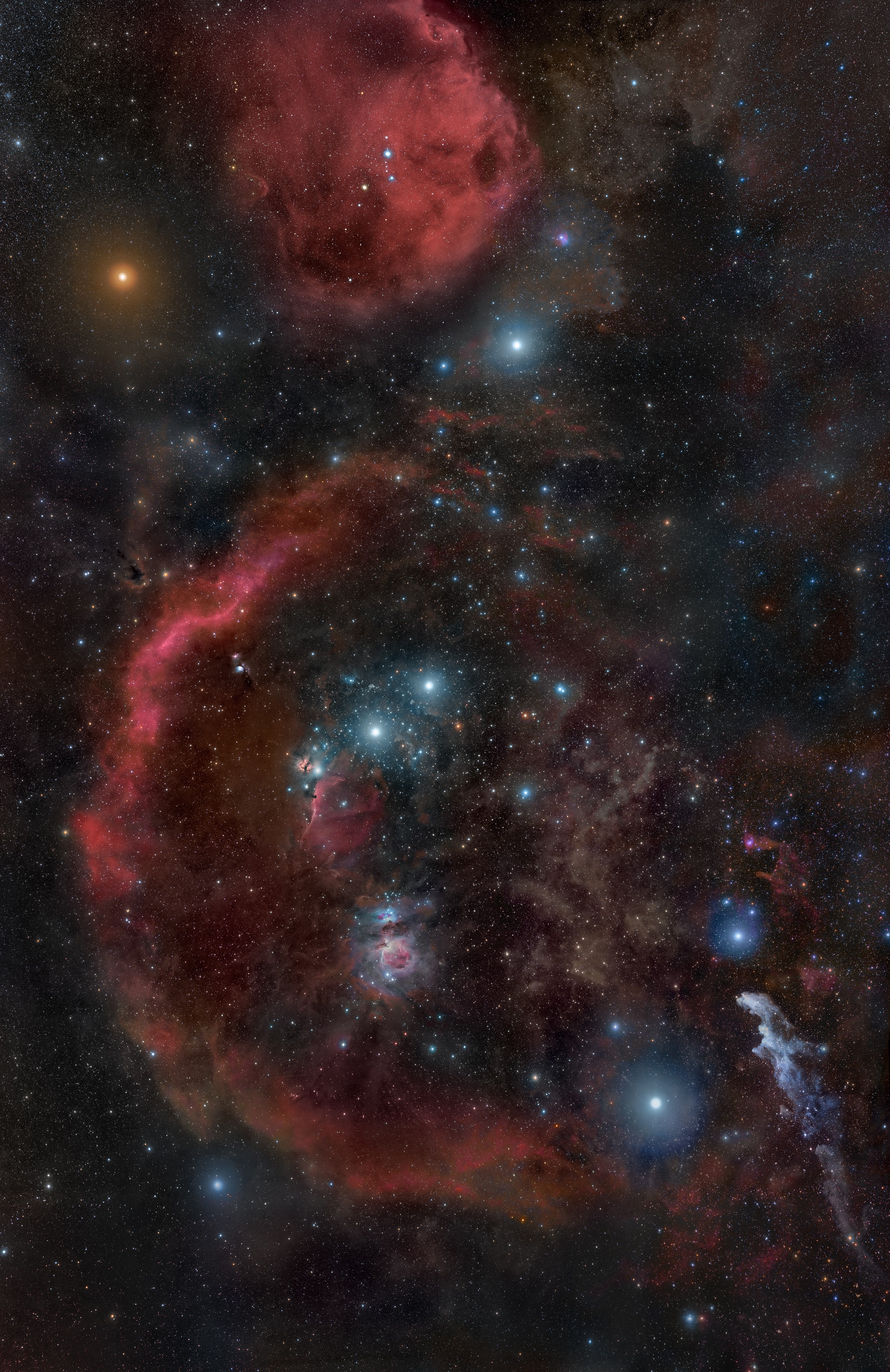
A season-by-season tour of objects visible from northern latitudes, from winter Orion to summer Milky Way.
Read the articleHow a stargazing session reads
Check the date, your latitude and the Moon phase to decide which objects sit high enough to observe.
Use a star chart or planisphere to star-hop from a bright reference star to the target.
Let your eyes dark-adapt for about twenty minutes, then view at low magnification first.
Increase magnification gradually and use averted vision for faint, diffuse objects.
Note the date, conditions and what you saw so later sessions build on earlier ones.
From northern Canada the celestial pole sits high in the sky, so circumpolar constellations such as Ursa Major and Cassiopeia never set. The trade-off is that southern objects stay low near the horizon, where haze and light reduce contrast.
Reading notes are kept general because conditions vary by location and date. For a specific question, the contact page is the place to send it.
Contact page